

MEDICATION ASSISTED TREATMENT
Medication assisted treatment (MAT) is the use of FDA-approved prescription medications to treat substance use disorders, most commonly opioid use disorder and alcohol use disorder. These medications work by normalizing brain chemistry, reducing cravings, and blocking the euphoric effects of substances. MAT is not substituting one addiction for another. By definition, addiction is destructive. MAT stabilizes a person so they can do the real work of recovery.
What MAT Looks Like at the Gaiser Center
At the Ellen O'Brien Gaiser Addiction Center, MAT is provided in both inpatient and outpatient settings under the direct oversight of Dr. Brophy, our full-time, board-certified addiction medicine physician. Every patient who enters our program meets with our medical team as part of their intake process. When MAT is appropriate, we take the time to walk through every available option so patients can make a fully informed decision about their care, including how each medication works, what the timeline looks like, and what to expect along the way.
MAT works best when it's part of a holistic plan. That is why we require MAT to be paired with active participation in counseling and behavioral therapy. Research consistently shows that MAT paired with counseling and behavioral therapy produces significantly better outcomes than medication or therapy alone, a combination that SAMHSA considers the gold standard for treating opioid use disorder.
MAT with the
Gaiser Center includes:
Treatment plans tailored to each person’s needs.
Support for opioid use disorder, alcohol addiction, and more.
Medications offered in different forms, including pills, dissolvable tablets, and injections at our inpatient center.
Monthly injection options available through outpatient for opioid based MAT maintenance.
Coordinated care with counselors and the full treatment team.
Education and consultation provided to help clients understand their options and make informed choices.
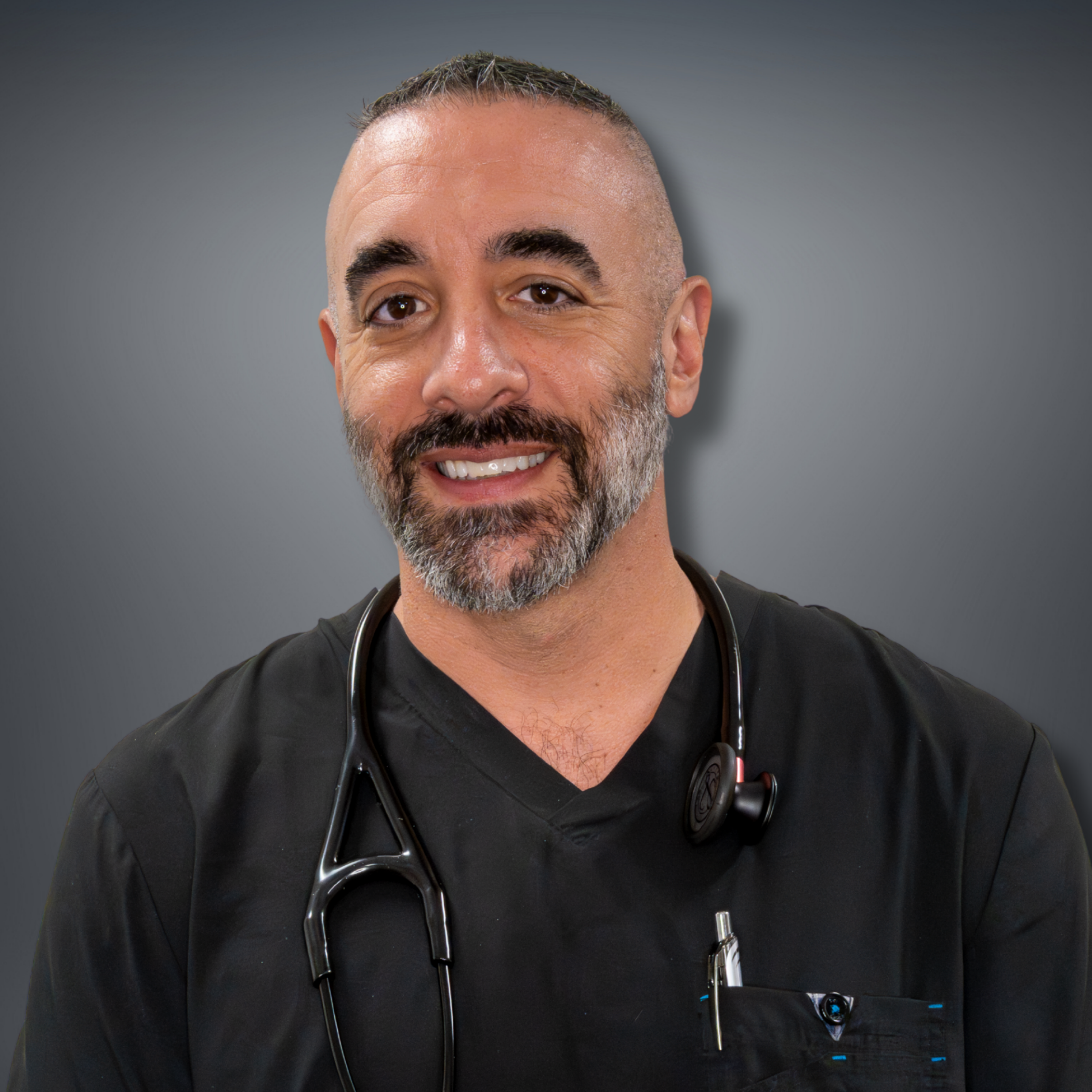
"Medication Assisted Treatment is a necessary complement to the educational and clinical services we provide, and Gaiser is proud to be at the forefront of this rapidly advancing realm of patient care."
Dr. C. Thomas Brophy, DO, FASM
Medical Director

FAQs about MAT
-
No. Addiction, by definition, causes destructive consequences in a person's life. MAT medications, when properly prescribed and monitored, stabilize brain chemistry without producing those destructive effects. The goal is to move from a harmful addiction to a stable, managed condition that allows a person to fully engage in treatment and rebuild their life.
-
For opioid use disorder, the Gaiser Center uses buprenorphine products such as Suboxone, naltrexone, and Vivitrol. For alcohol use disorder, options include naltrexone, Campral, and Antabuse. Our medical team evaluates each patient individually to determine which option is the right fit based on their history, goals, and overall health.
-
No. MAT is never required or forced. Every patient receives education about the options available to them, and we respect each person's right to make an informed choice. Some patients choose not to pursue MAT, and we support that. What we do ask is that every patient remain open to the conversation.
-
MAT is not intended to be permanent. The goal is to stabilize a person in early recovery so they can fully engage in the therapeutic process. As progress is made and stability increases, our medical team works with each patient on a gradual, safe plan to reduce and eventually discontinue MAT when the time is right.
-
There are many reasons MAT may not have worked in a previous setting, including incorrect dosing, poor timing of induction, lack of accompanying therapy, or a cookie-cutter approach that did not account for individual history. At the Gaiser Center, every patient receives a comprehensive medical evaluation before any MAT decision is made. Dr. Brophy takes the time to understand what has and has not worked before, and builds a plan around the individual, not a blanket protocol.